Ukrainian Photographer Tania Horbatiuk Shortlisted for the Abbey Road Music Photography Awards 2026
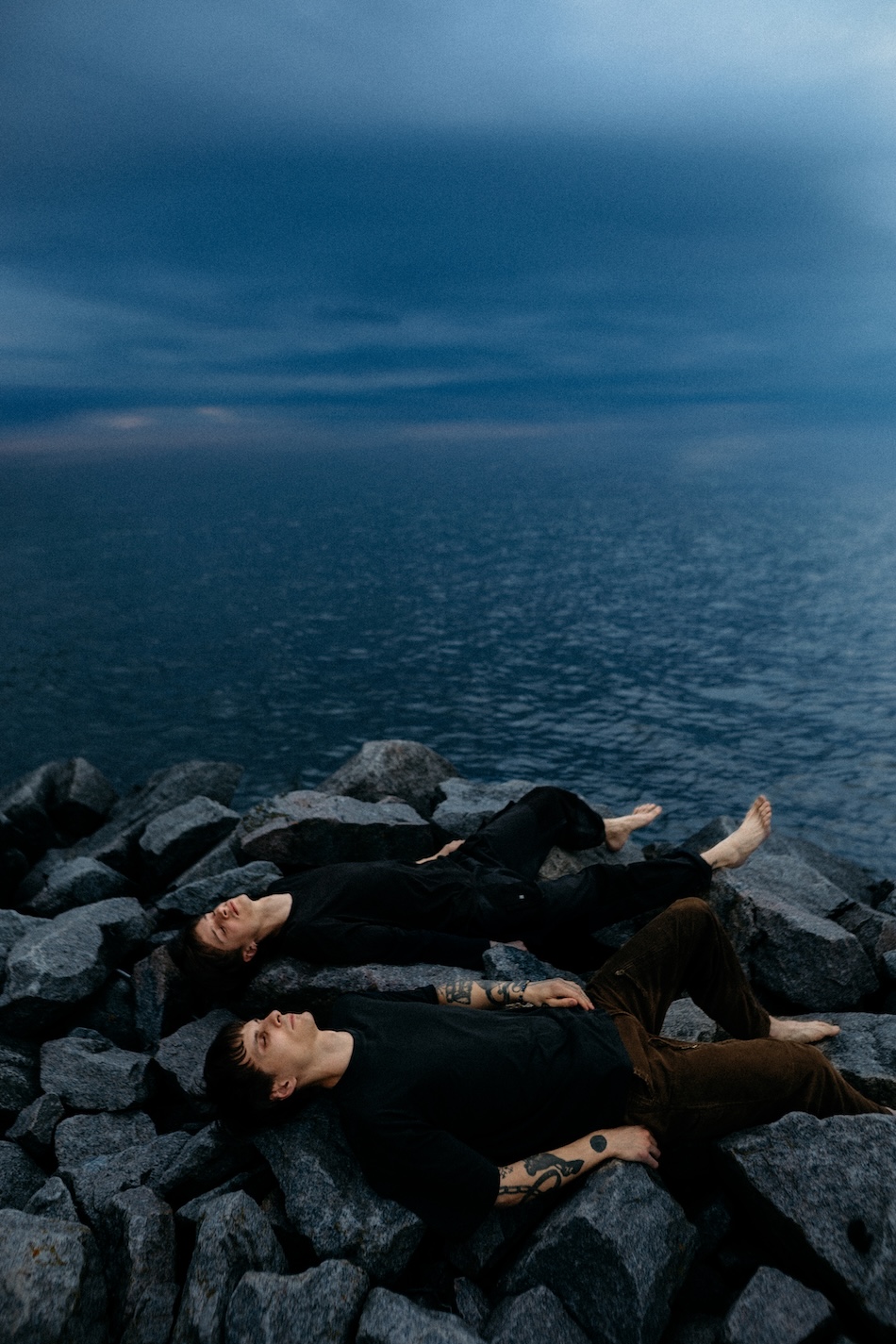
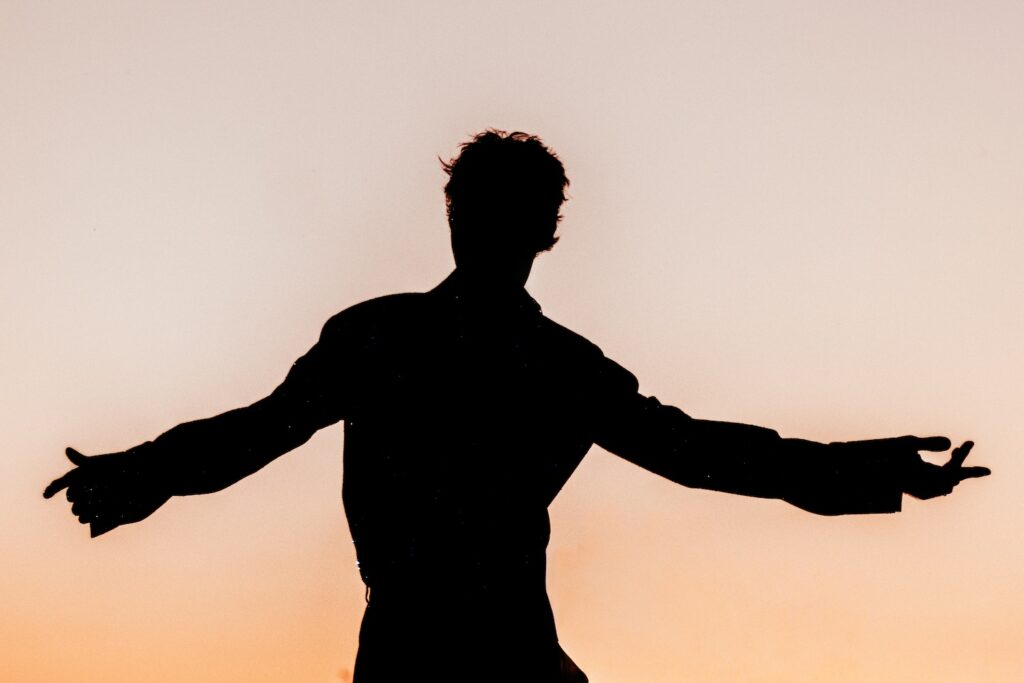
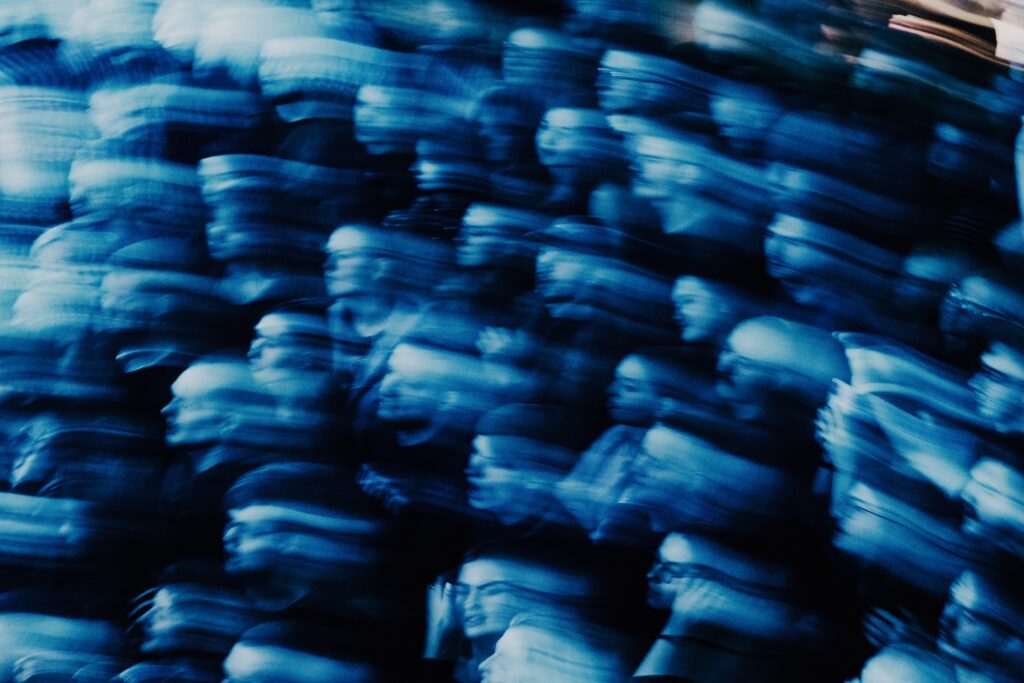
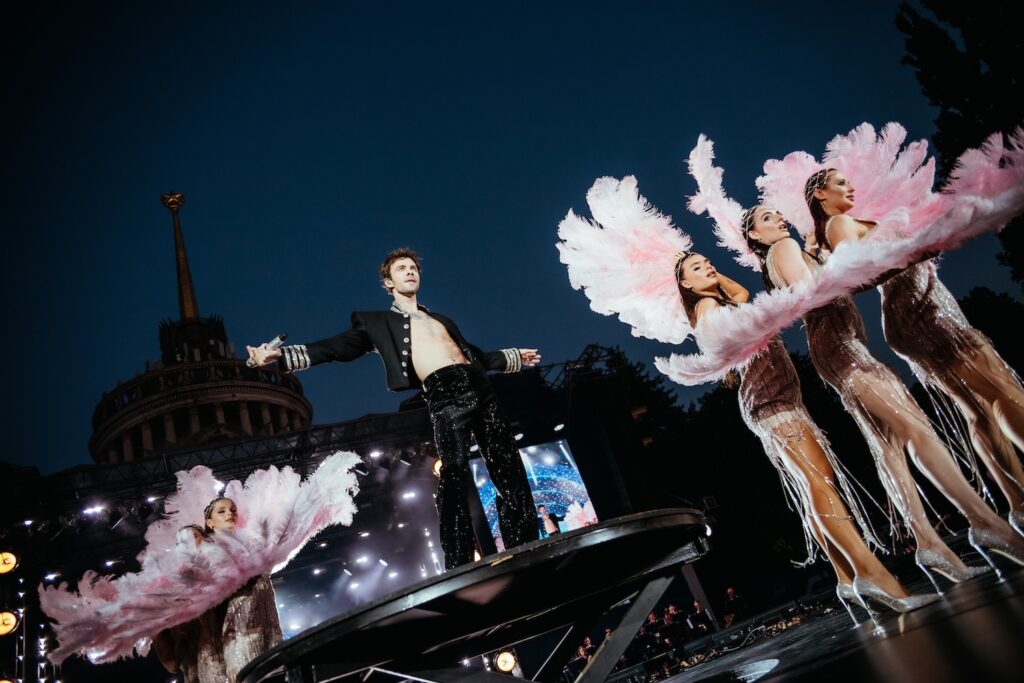
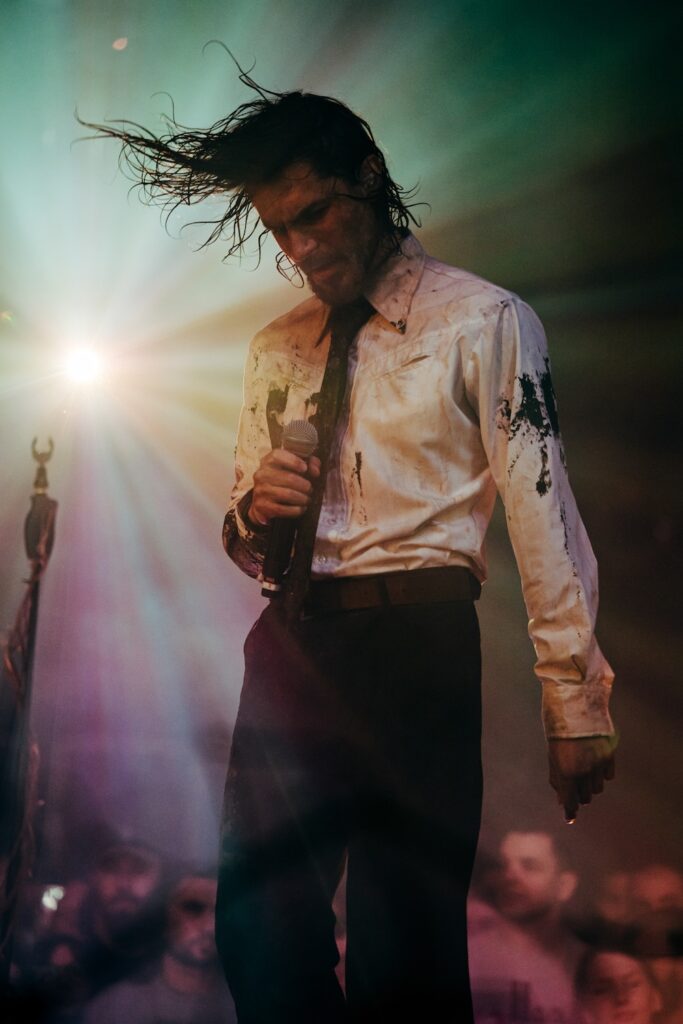
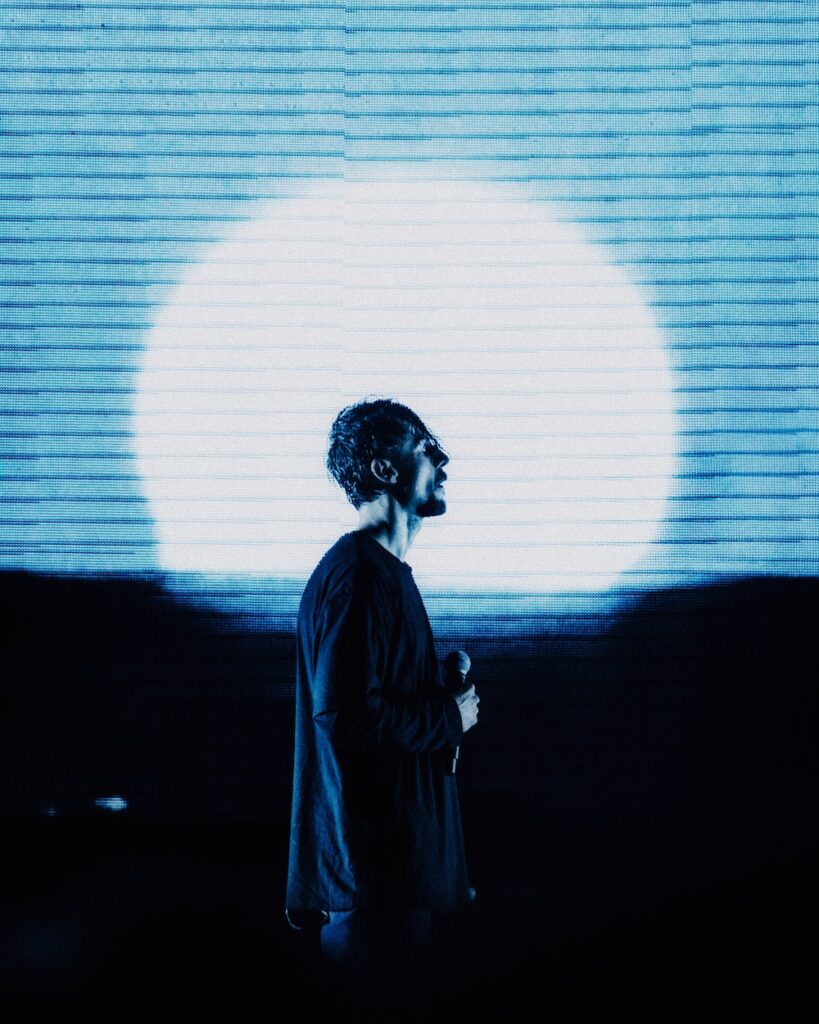
Ukrainian photographer Tania Horbatiuk has been shortlisted for the Abbey Road Music Photography Awards 2026 in the Portrait category — an international award dedicated to music photography. The shortlisted work features Fuji Moodji, a Ukrainian band from Dnipro.
The Abbey Road Music Photography Awards celebrate photographers working across music culture, including live performances, artist portraits, backstage photography, festivals, underground scenes, and more. The organisers describe the awards as a platform that supports a global community of music photographers and the images that shape music culture.
In 2026, the competition features 10 categories. Eight are open for submissions, including Live Music, Underground Scenes, Behind the Scenes, Music Moment of the Year, Portrait, Festivals, Emerging Photographer of the Year, as well as the guest category 50 Years of Punk. Two further categories — Judges’ Choice and ICON — are invitation-only and are not open for submissions.
The selection process takes place in two stages. First, a shortlisting panel reviews all submitted works and creates an official shortlist of approximately 15–20 entries in each category. The judging panel then selects the finalists and winners. The 2026 jury includes Rankin, Nile Rodgers, RAYE, Damiano David, Platon, Dean Chalkley, Dennis Morris, Kid Harpoon, among others.
The winners of the Abbey Road Music Photography Awards 2026 are due to be announced on 24 September 2026 at a ceremony at Abbey Road.
Ahead of the announcement, we spoke with Tania about the personal significance of the work, reportage photography within the music scene, and what happens to photographs after the initial encounter with the artists.
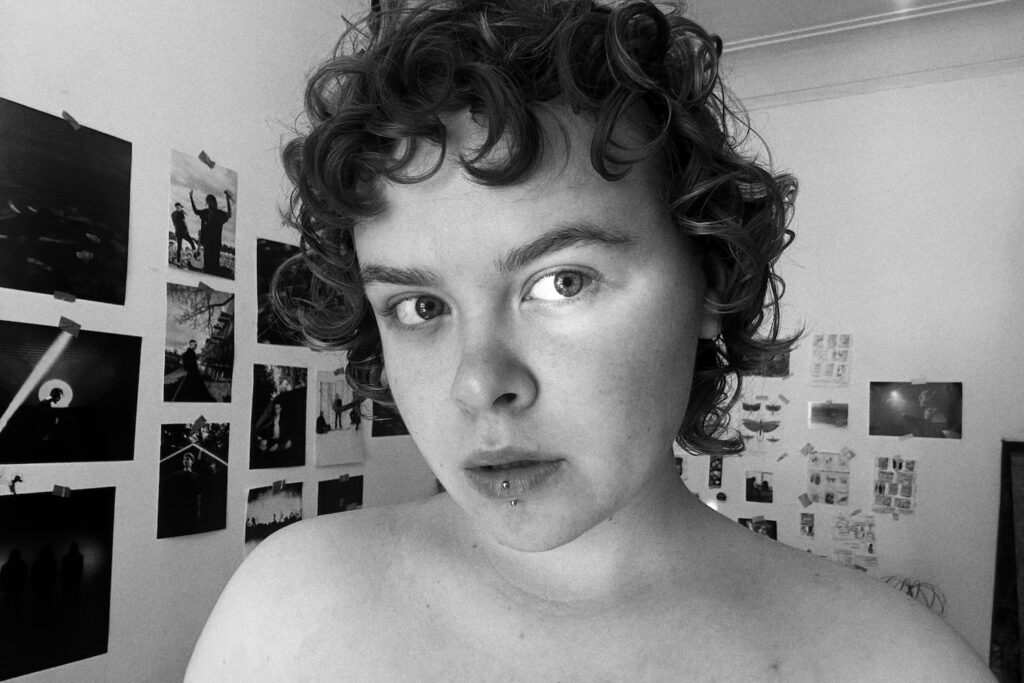
Tania Horbatiuk
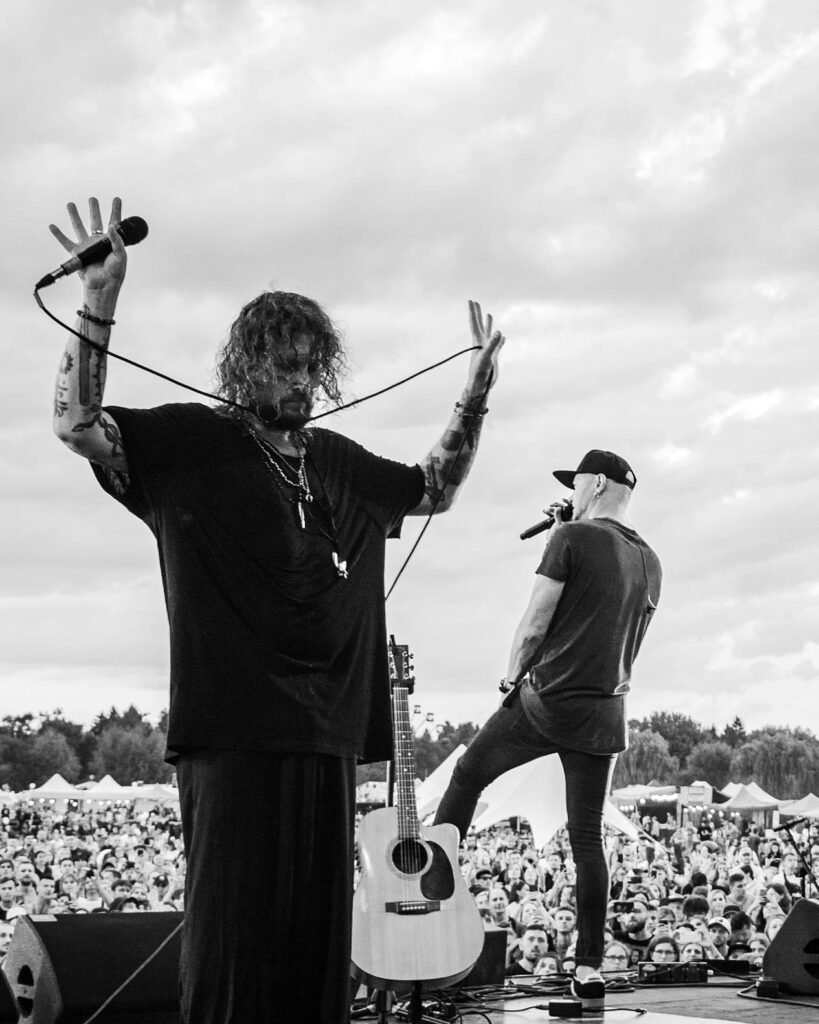
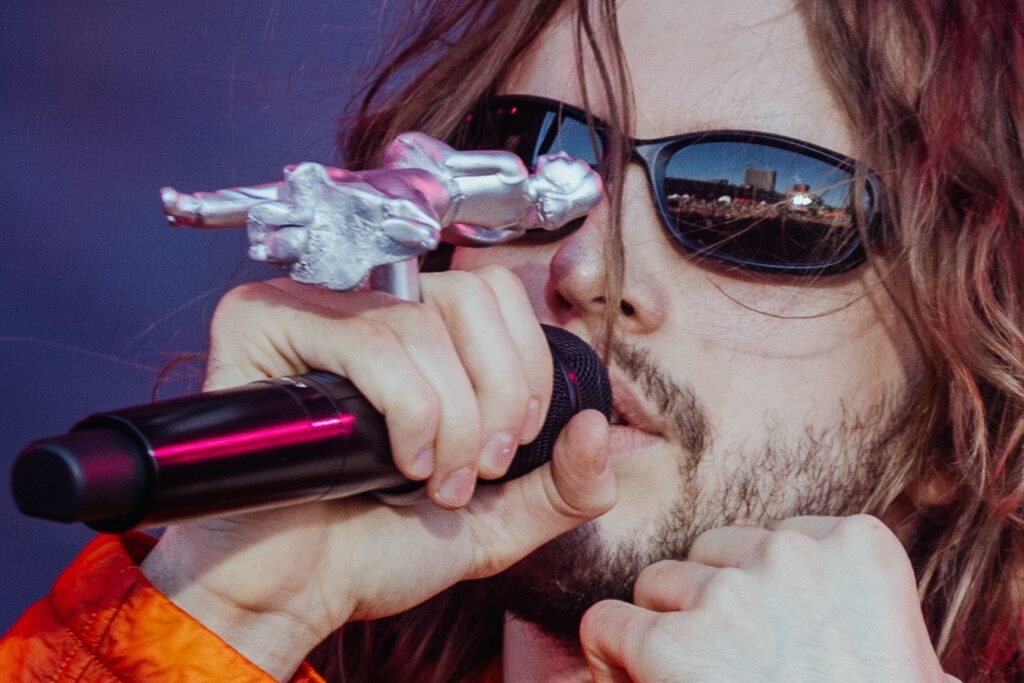
Tania, when a reportage photograph begins to take on a life of its own — appearing in the media, promotional materials, or on the covers of music releases — how does its status change for you? Where do you see the line between a documentary image, an authored work, and part of an artist’s visual language? Tania Horbatiuk: When it comes specifically to reportage photography, and concert photography in particular, what makes me happiest is when it starts to exist physically. It feels especially significant when my photographs appear on vinyl records or on posters that I can later come across somewhere in the city.
With concert photography, this is particularly valuable because you literally have only a few seconds to capture that one moment. Everything has to come together: you have to be in the right place, with the right focal length; the light has to fall in the right way; the artist has to make just the right movement — and all of it has to align within a single second. So when that image then continues to live beyond the concert itself, that gives me the greatest satisfaction.
As for the line between a documentary image, an authored work, and the artist’s visual language, I spent a long time thinking about where it lies. But I think I actually try to blur that line rather than define it. It is important to me that my own artistic vision remains present in reportage photography. When I work with new artists, I am interested in adapting to their image, their music, and their atmosphere without losing my own style. For me, these things can absolutely coexist.
You work within the music scene primarily as an observer, capturing live moments rather than creating staged images on commission. How does communication with artists usually develop after these shoots? Does a dialogue emerge around the photographs once they have been made? Tania Horbatiuk: Usually, the main conversation happens before the concert. It is important for me to find out whether there will be any special effects or particular moments I should pay attention to so that I do not miss them. Sometimes I also ask about the lighting so I know what to expect.
There is always communication after the concert as well, although at that stage it is mostly with the artist’s management. We wrap up all the arrangements and often organise joint posts.
We may also discuss how the photographs can be used afterwards — in the media, promotional materials, other projects, or, for example, merchandise. I am always open to that, and it usually happens on really great terms. Overall, there is always a dialogue; it is simply different every time.
We invite you to visit Tania’s Horbatiuk personal page and support her work.
Boombox and Sasha Chemerov
Nikow
Max Barskih
DK Energetyk
Max Barskih
Palindrom
Palindrom
Text and interview: Yanina Provotar
Photos: courtesy of Tania Horbatiuk